Wrong Plug, Right Watts: Power Station Connectors
Wrong Plug, Right Watts: Power Station Connectors
Disclosure: My Easy Solar Plans is a participant in the Amazon Services LLC Associates Program. As an Amazon Associate I earn from qualifying purchases. Some links on this page are affiliate links. You pay the same price.
Your neighbor texts at 8 p.m. Storm’s coming. Fridge needs power. Panel’s on the porch. Then you notice the cable. One end looks like a toy. The other looks like a spaceship. The watts were fine. The plug is not.
Portable power station first. Station for short after that. “Solar generator” only shows up so search engines find you. A solar suitcase here means a hinged foldable panel — not a suitcase-shaped station.
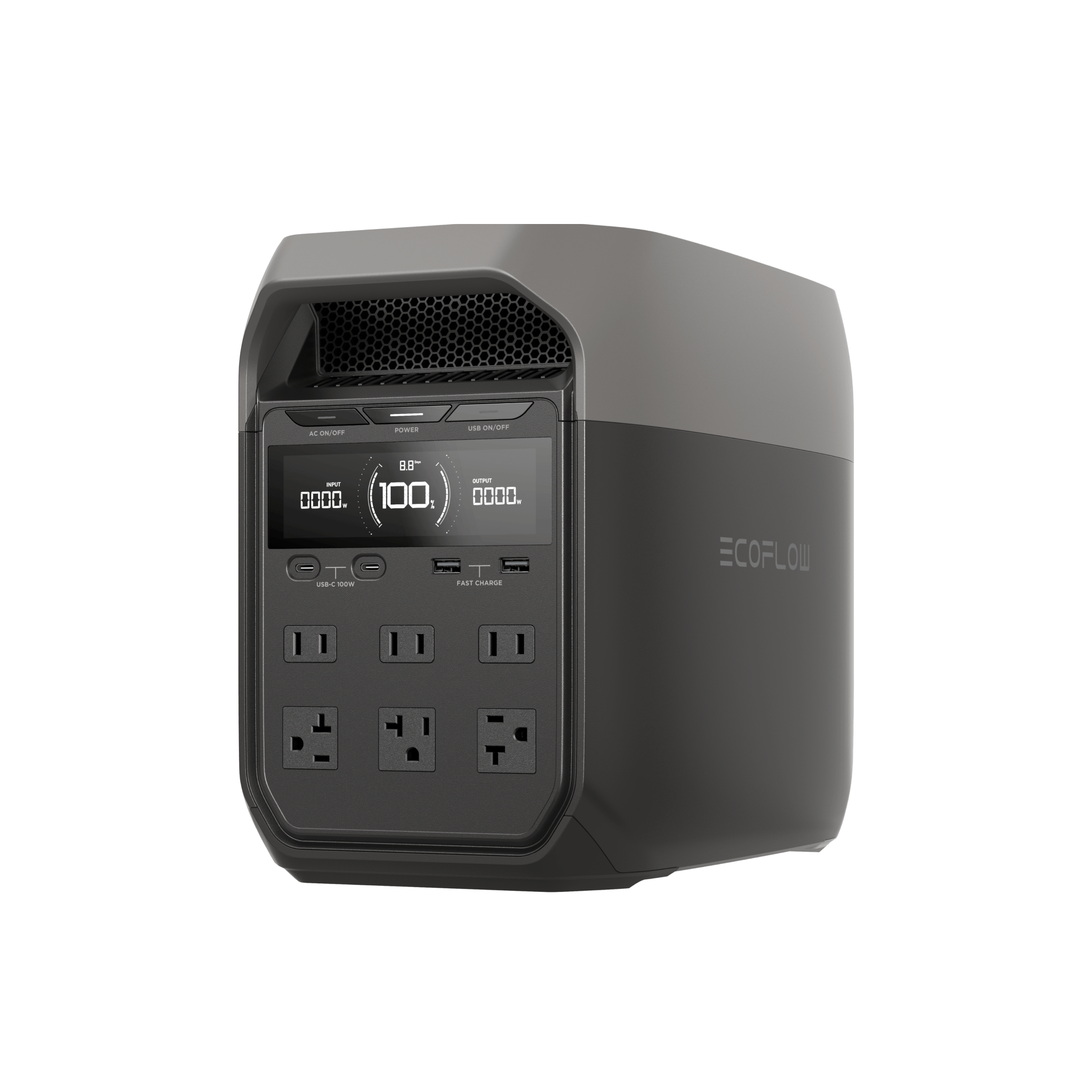
This is not a lab. We have not had this sample on the desk. Connector notes below come from manufacturer pages and manuals opened September 5, 2026. Confirm the connector on your station before you buy a cable.
One-line truth: STC watts on a panel label are lab sunshine, not storm watts on a cloudy afternoon.
- Connector cheat sheet
- Brand solar inputs
- Adapter gotchas & polarity
- Confirm the connector
- Common adapter cables
- What to read next
- Sources
Connector cheat sheet
Plugs are dialects. Same “solar” idea. Different handshake.
| Connector | Looks like | Usually does | Watch for |
|---|---|---|---|
| MC4 | Round, click-lock pair on most panels | Panel-to-panel and panel-to-adapter | Male/female can confuse people; click until it locks |
| XT60 | Yellow (or black) two-pin bullet | Solar/car input on many stations | Not the same as EcoFlow XT60i |
| Anderson | Flat, often red/black Powerpole style | Some panels, RVs, older kits | Easy to reverse polarity if you build your own |
| DC5521 / barrel | Small round barrel (5.5×2.1 mm family) | Low-watt DC in/out on smaller gear | Size twins exist; polarity kills circuits |
| DC7909 / DC8020 | Bigger “8 mm” Jackery-style barrel | Jackery Explorer solar DC inputs | Generations differ — 7909 ≠ 8020 |
| C13 / C14 | IEC kettle/computer AC plugs | Wall AC charging on many stations | Not a solar input. Wrong end of the story. |
MC4 is the panel’s native language. Your station almost never speaks only MC4. You need a short translator cable.
Brand solar inputs (typical patterns)
Brands love “almost standard.” Neighbor version first, then fine print.
| Brand family | What you often see | What that means for you |
|---|---|---|
| EcoFlow | XT60 on older RIVER/DELTA lines; XT60i on many RIVER 2 / DELTA 2 / DELTA Pro listings | Buy the cable EcoFlow lists for your model. XT60 and XT60i are not a free swap. |
| Jackery | DC8020 on many newer Explorers; DC7909 on older units; adapters between them; Anderson on some SolarSaga paths | Match the round DC port on the station label. Don’t guess from a photo of a friend’s unit. |
| BLUETTI | Often a proprietary DC / aviation-style input on the station, then XT60 on the included DC cable, then MC4 on the solar cable | Keep the in-box DC input cable. Add MC4→XT60 only after that chain is clear. |
EcoFlow’s Solar to XT60i listing (fetched September 5, 2026) “works best with” RIVER 2 / RIVER 2 Max / RIVER 2 Pro / DELTA 2 / DELTA Max (2000) / DELTA Pro. Older RIVER/DELTA names use the separate Solar to XT60 cable. Regional kits change — read the sticker under the rubber flap.
Jackery’s cable guide (updated August 6, 2026) covers DC7909↔DC8020 adapters, Anderson paths for some SolarSaga panels, and bundle vs separate-order cable rules. Mix panel generations and you can own three adapters and still be one short.
BLUETTI AC200L manual path: panels (MC4) → solar charging cable → DC input cable → 2-pin aviation socket. Voc window there: 12–145 V, 15 A max, 1,200 W max. Wrong plug won’t stretch those numbers.
Adapter gotchas & polarity
Adapters are not magic watts. They only change shape.
| Gotcha | What happens | Fix |
|---|---|---|
| XT60 into an XT60i-expecting port | May fit poorly, refuse charge, or act weird | Use the EcoFlow cable listed for your model |
| MC4→XT60 on a Jackery DC8020 station | Wrong dialect. Station still hungry. | MC4→DC8020 (or Jackery’s adapter chain) |
| Center-positive barrel into center-negative tip | Smoke is not a feature | Match polarity marks before you click |
| Daisy-chain of three cheap adapters | Heat, voltage drop, mystery faults | One short, correctly rated cable |
| Voc over the station’s solar window | Error codes or damage risk | Series/parallel math first — then the plug |
Polarity is the unfunny part. Check +/− on the station, cable boots, and panel leads — not the photo. Unclear listing? Skip it.
C13/C14 are the wall/AC story (kettle-style IEC). They fill the battery from the house. Solar still needs the DC solar port. Don’t jam MC4 into an AC inlet.
Confirm the connector (60-second ritual)
- Read the solar input label (or manual diagram).
- Name the plug: XT60, XT60i, DC8020, Anderson, aviation, other.
- Panel end is usually MC4 on third-party foldables.
- Check Voc / current against the station’s solar window.
- Only then shop the adapter.
Label worn off? Open the manufacturer PDF for your exact model. Cousins in a product family do not always share a port.
Common adapter cables (only if your station takes XT60)
Amazon links below are common MC4 → XT60 cables. Use them only if your station’s solar input is actually XT60 (or an XT60 end on a brand DC pigtail). They do not replace EcoFlow XT60i. They do not turn a Jackery DC8020 port into XT60. Unsure? Confirm the connector on the station label and skip the cart.
| Cable | Role | Link |
|---|---|---|
| Anker SOLIX MC4-to-XT60 | Short branded MC4→XT60 (Anker lists SOLIX stations/panels) | Check price on Amazon |
| 10 ft 12AWG MC4→XT60 | Longer generic run when the station truly wants XT60 | Check price on Amazon |
| 2 ft 12AWG MC4→XT60 | Short generic bridge at the station end | Check price on Amazon |
Prefer the brand’s own solar cable when you can. Third-party cables still need correct gauge, current rating, and polarity. Re-read the live Amazon page — titles change.
What to read next
Plug sorted? Size the station and match panels to the solar window:
- How Much Solar Generator Do I Need? — fridge-first sizing without panic math.
- Best Solar Generators — portable power station picks with solar ceilings.
- Best Portable Solar Panels — foldable / solar-suitcase style panels vs station Voc.
Right watts, wrong plug = zero watts. Match the handshake. Then enjoy the quiet fridge.
Sources (fetched September 5, 2026)
- EcoFlow Solar to XT60i Charging Cable — XT60i “works best with” list; separate XT60 cable for older lines.
- Jackery Cables & Connectors Complete Guide — DC7909/DC8020, Anderson paths (updated August 6, 2026).
- BLUETTI AC200L user manual (PDF / BLUETTI CDN) — aviation DC input; Voc 12–145 V, 15 A / 1,200 W max.
- BLUETTI MC4 to XT60 Solar Charging Cable — brand MC4→XT60 accessory.
Disclosure: As an Amazon Associate I earn from qualifying purchases. Some links are affiliate links. You pay the same.